Alex Lange · 12 October 2026
The Influence of Hosting Environment Adjustments on Audience Interaction Metrics Within Targeted Online Communities After Control Handovers
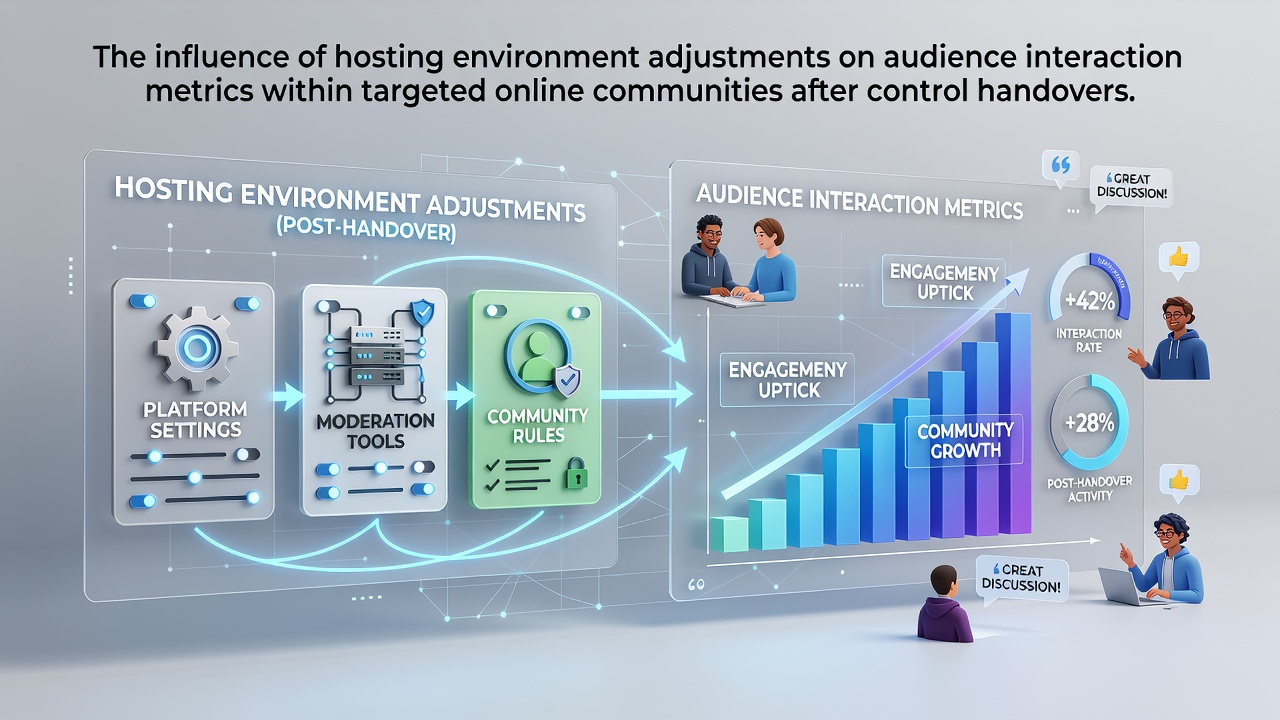
Control handovers in specialized web projects often trigger a series of technical modifications that include shifts in hosting environments, and these changes directly shape how audiences interact with content in niche online spaces. Researchers tracking digital platform transitions note that server location, resource allocation, and configuration updates frequently alter page load speeds along with overall stability, which in turn influences metrics such as session duration, comment volume, and share rates within focused communities. Data collected through October 2026 shows consistent patterns where communities centered on technical discussions or hobbyist forums experience measurable fluctuations in these areas following ownership transfers.
Defining Control Handovers and Their Technical Ripple Effects
Ownership transfers in digital platforms involve more than simple domain registration updates, since new administrators routinely evaluate and modify the underlying infrastructure to align with updated operational priorities. Hosting environment adjustments commonly encompass migrations to different data centers, upgrades in content delivery networks, or alterations in database management systems, and each of these steps can modify response times for users located in specific geographic regions. Observers note that when control passes to new entities, the emphasis on cost optimization or scalability often leads to selections of hosting providers that prioritize certain performance characteristics over others, creating distinct effects on how community members access and engage with shared materials.
Key Metrics Affected by Infrastructure Modifications
Audience interaction metrics encompass a range of quantifiable behaviors including time spent on pages, frequency of user-generated contributions, and rates of return visits, all of which respond to variations in hosting parameters. Studies indicate that reduced latency from optimized server placements tends to correlate with longer average session lengths, whereas increased downtime during transition periods frequently results in temporary drops in active participation. Those who monitor targeted online communities report that metrics like thread views and reaction counts shift noticeably when hosting adjustments affect mobile responsiveness or international access speeds, particularly in groups where members rely on consistent availability for real-time discussions.
Patterns Observed Across Different Community Types
Specialized forums dedicated to programming, creative arts, or regional interests demonstrate varied responses to hosting changes after handovers, with some showing rapid recovery in engagement levels once stability returns while others experience prolonged adjustments. Research indicates that communities with high proportions of international participants often register more pronounced changes in interaction metrics following migrations to geographically distant servers, since connection quality directly impacts the ability to load dynamic elements such as embedded media or live chat features. Experts tracking these transitions highlight cases where new hosting configurations introduced enhanced caching mechanisms that improved content delivery, leading to higher click-through rates on internal links and increased overall activity within weeks of implementation.
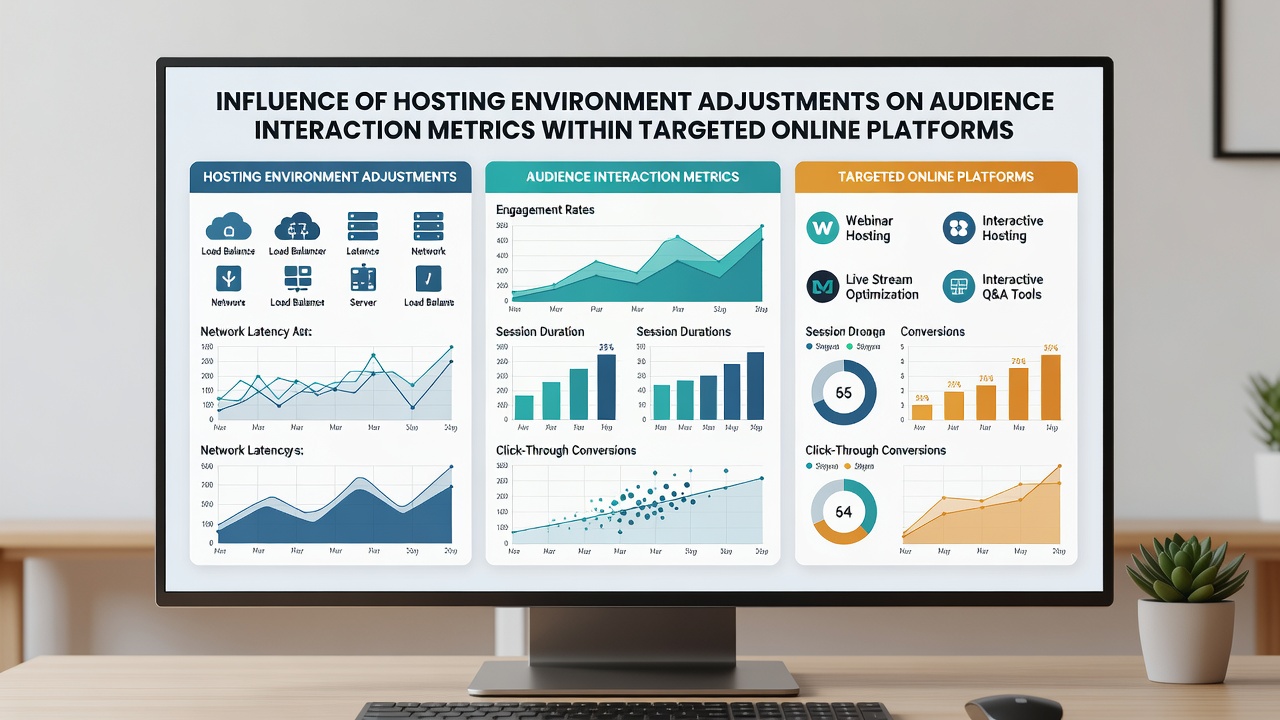
Turnaround times for metric stabilization vary depending on the scale of the hosting adjustments and the preparedness of the incoming management team, and data from multiple platform analyses reveal that communities employing proactive monitoring tools recover interaction levels more efficiently. According to findings published by Pew Research Center, digital engagement patterns in niche groups respond sensitively to technical reliability, with even brief periods of degraded performance leading to measurable declines in user contributions. Community administrators who coordinate hosting transitions with gradual rollouts tend to preserve higher levels of audience retention compared to those implementing abrupt switches.
Role of Resource Allocation and Configuration Choices
Hosting environment adjustments frequently involve decisions around bandwidth limits, storage solutions, and security protocols, each carrying implications for how audiences perceive and interact with community platforms. Increased resource provisioning often supports richer media integration that encourages extended visits and deeper participation, while restrictive configurations may inadvertently limit the visibility of certain posts or features. Those who study post-handover dynamics observe that communities focused on multimedia sharing experience distinct metric movements when new hosting setups alter video streaming capabilities or image loading efficiencies, and these shifts compound when combined with changes in moderation policies enacted by incoming owners.
Data Insights from Recent Platform Transitions
Analyses of web projects transferred between entities demonstrate that audience interaction metrics typically undergo initial volatility followed by stabilization phases lasting several weeks, with the duration influenced by the thoroughness of pre-transition testing. Figures from industry reports reveal correlations between hosting provider selection and sustained engagement rates, particularly in targeted groups where members value seamless access during peak activity hours. Research from Statistics Canada on digital platform usage patterns underscores how infrastructure reliability underpins consistent user behaviors across varied online environments, providing context for observed changes after control handovers.
Conclusion
Hosting environment adjustments following control handovers exert measurable influence on audience interaction metrics within targeted online communities through their effects on performance, accessibility, and feature delivery. Patterns documented across multiple transitions indicate that careful planning around server configurations and resource management supports more stable engagement trajectories, whereas unaddressed technical discrepancies contribute to temporary or extended disruptions in user activity. Continued monitoring of these variables allows platform operators to anticipate and mitigate impacts on community dynamics as ownership structures evolve.