
Amir Powell · 14 September 2026
Navigating Crawl Efficiency Shifts After Ownership Transfers in Specialized Web Projects
Ownership transfers in specialized web projects frequently trigger adjustments in how search engine crawlers allocate resources, and researchers have documented these patterns through server log analysis across multiple industries since the early 2020s. Data indicates that new ownership often coincides with modifications to server configurations, content management systems, and domain settings that directly influence crawl frequency and depth.
Understanding Crawl Budget Fundamentals
Crawl budget represents the number of pages a search engine bot processes within a given timeframe, and studies from web infrastructure monitoring firms reveal that this metric fluctuates based on factors including site size, update velocity, and server response times. When ownership changes hands, the incoming team may implement new hosting environments or alter robots.txt directives, which in turn affects how efficiently bots discover and process content. Observers note that specialized projects, such as those in e-commerce niches or technical documentation portals, experience more pronounced shifts because their URL structures and dynamic elements already demand higher resource allocation from crawlers.
Key Factors Triggering Efficiency Changes
Domain history plays a central role, since previous backlink profiles and indexation patterns carry forward under new management, and evidence from large-scale site audits shows that abrupt changes in content velocity can either expand or contract available crawl resources. Server migration during ownership transfers commonly introduces temporary redirects or altered response codes, and these elements prompt crawlers to reassess priority levels for the affected domains. Research indicates that specialized projects involving user-generated content or frequent API integrations face additional complexity because their internal linking structures influence how bots distribute attention across subdirectories.
Technical adjustments made post-transfer, such as updates to XML sitemaps or implementation of new schema markup, further modulate crawl behavior according to analyses conducted by independent SEO laboratories. One study revealed that sites undergoing ownership changes in technical sectors saw average crawl rate variations of up to 35 percent within the first quarter after the transition, driven primarily by shifts in hosting performance metrics.
Monitoring and Diagnostic Approaches
Webmasters typically rely on server logs combined with search console data to track these efficiency shifts, and figures from industry reports demonstrate that consistent monitoring helps identify whether crawl demand exceeds supply after ownership changes. Tools that aggregate log files allow teams to observe patterns in bot visits over time, revealing whether new ownership has inadvertently introduced crawl traps or improved accessibility through cleaner navigation hierarchies. Those who've examined multiple cases find that comparing pre-transfer and post-transfer log samples provides clearer insights into the specific elements responsible for any observed changes.
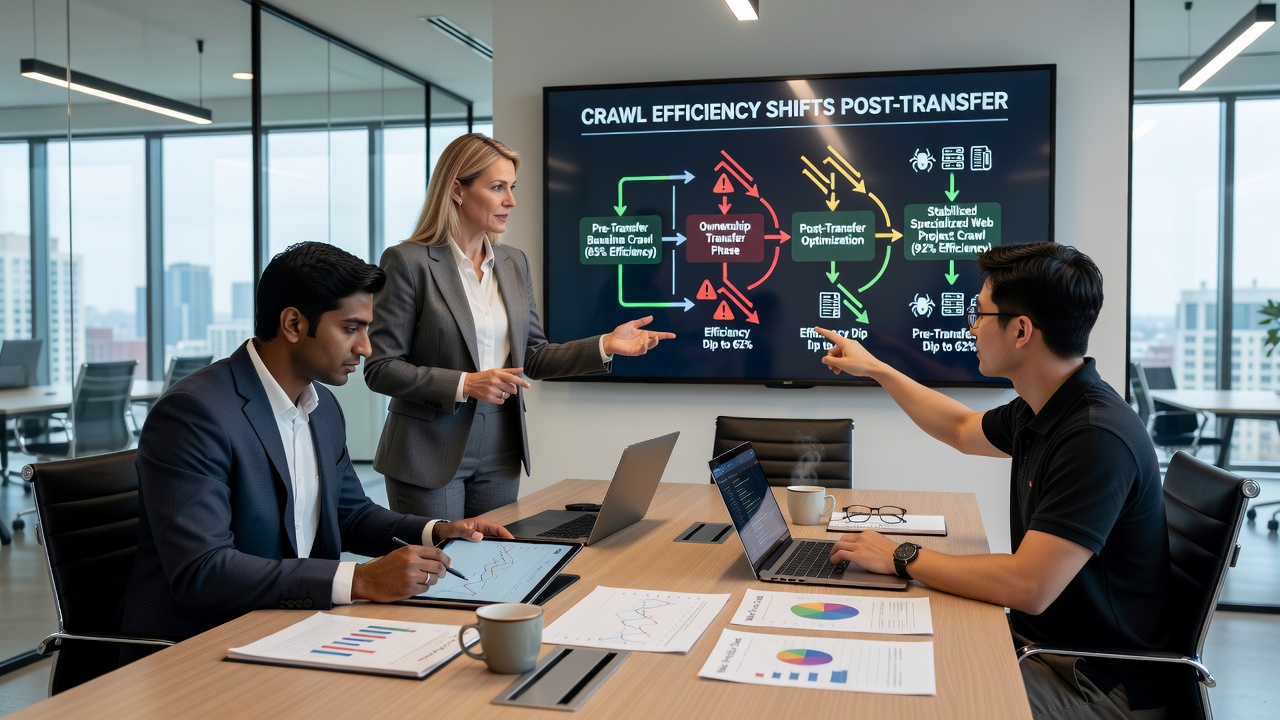
In September 2026, several monitoring platforms reported increased instances of crawl budget reallocation among transferred domains in specialized categories, and this timing aligned with broader updates to crawler algorithms documented in developer resources. Google's official crawling documentation outlines core principles that remain relevant during such transitions, while data from the Canadian Digital Technology Adoption program highlights how infrastructure investments post-ownership can stabilize crawl patterns in affected projects.
Strategic Adjustments for Maintaining Efficiency
Teams managing transferred projects often prioritize restoring historical crawl signals through careful preservation of established URL structures and internal linking, and this approach helps minimize disruptions during the handover period. Implementing progressive changes to content delivery networks or caching mechanisms allows new owners to test impacts incrementally rather than introducing multiple variables simultaneously. Evidence suggests that phased rollouts reduce the risk of temporary efficiency drops, particularly in projects where specialized content requires precise indexing for user-facing functionality.
Regular audits of redirect chains and duplicate content issues become essential after ownership transfers, since these elements frequently emerge during platform migrations and consume disproportionate crawl resources. Researchers have observed that sites addressing such technical debt within the first 60 days post-transfer tend to recover baseline crawl efficiency faster than those delaying remediation efforts.
Conclusion
Ownership transfers in specialized web projects introduce predictable yet manageable shifts in crawl efficiency, and the combination of log analysis, gradual technical adjustments, and attention to established indexing signals supports smoother transitions. Data from ongoing industry monitoring continues to underscore the value of proactive oversight during these periods, enabling projects to sustain visibility and performance metrics throughout the change in stewardship.